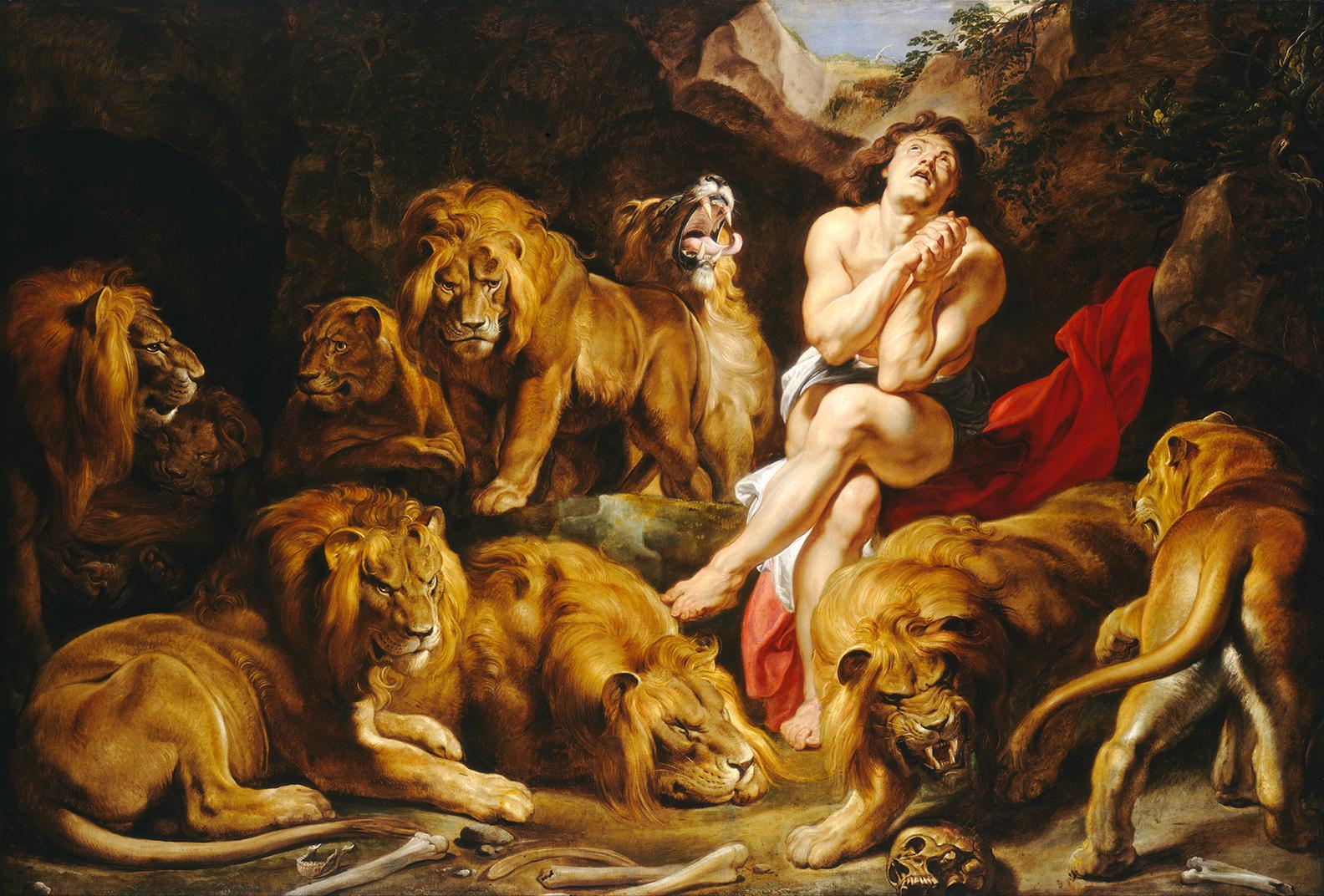
Peter Paul Rubens (1577–1640) was one of the greatest painters of the Baroque period and among the most influential artists in European history. Born in the city of Siegen and raised in Antwerp, Rubens became famous for his dynamic compositions, rich colors, and dramatic use of light and movement. His paintings often celebrated mythology, religion, history, and portraiture with remarkable energy and emotion.
Rubens received a classical education and spoke several languages, including Latin, Italian, French, Spanish, and Dutch. He spent eight years in Italy studying the works of Renaissance masters such as Michelangelo, Titian, and Caravaggio. Their influence helped shape his bold artistic style.
Artistic Style
Rubens is best known for:
Powerful, energetic compositions filled with movement.
Rich, warm colors and dramatic contrasts of light and shadow.
Realistic yet idealized human figures.
Large-scale religious and historical paintings.
Mythological scenes inspired by classical antiquity.
Luxurious textures, especially silk, armor, fur, and flesh tones.
His paintings often convey emotion, grandeur, and vitality, making them masterpieces of the Baroque era.
Famous Works
Some of Rubens' most celebrated paintings include:
The Elevation of the Cross (1610–1611)
The Descent from the Cross (1612–1614)
The Garden of Love (1633)
The Three Graces (1635)
The Judgment of Paris (1636)
The Lion Hunt (1615–1616)
Beyond Painting
Rubens was not only a celebrated artist but also a respected diplomat. He undertook diplomatic missions for the courts of Spain and England, helping negotiate peace during periods of political conflict. In recognition of his services, he was knighted by both Philip IV of Spain and Charles I.
Legacy
Rubens operated one of the largest and most successful workshops in Europe, employing numerous assistants and students. His influence extended to later artists such as Anthony van Dyck, Eugène Delacroix, and Pierre-Auguste Renoir. Today, his works are displayed in major museums around the world, including the Museo del Prado, the Louvre Museum, and the National Gallery.
Interesting Fact: Rubens is believed to have produced around 1,400 artworks, either entirely by his own hand or with the assistance of his workshop, making him one of the most prolific painters in Western art history.